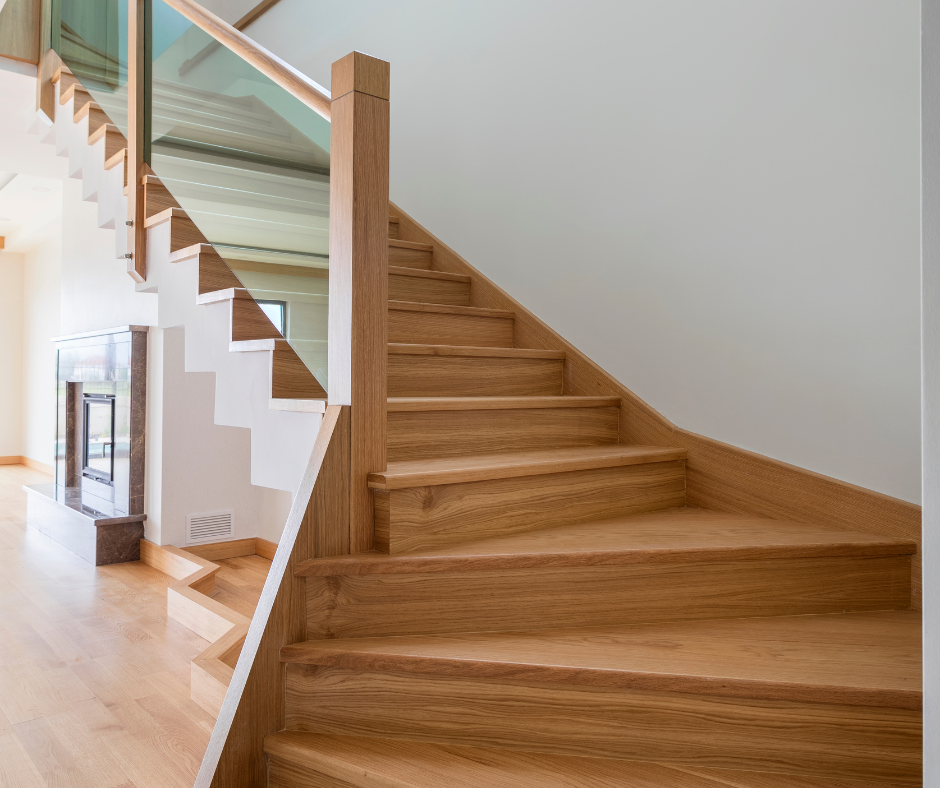
Tight spaces shouldn’t stop you from designing a staircase that feels stylish and safe. Many homeowners look for solutions that save room without sacrificing comfort or beauty. So, what is a winder stair?
A winder stair is a staircase that changes direction without a landing by using wedge-shaped steps that are narrower on one side and wider on the other. By reading this guide, you’ll learn how winder stairs work, what building codes to follow, and how they compare to traditional stairs.
You’ll also see why pairing winder stairs with carpet stair treads may create a safer, more inviting home. This combination not only saves space but also adds warmth and grip underfoot.
Why Choose Winder Stairs?
Winder stairs have become a popular choice for homeowners who value both design and practicality. Here are a few reasons why you might consider them for your space.
Space-Saving Design
Winder stairs take up less room because they remove the need for a large landing. If you have a smaller footprint in your home, this makes all the difference.
Aesthetic Appeal
The curve or angled turn of a winder stair creates an eye-catching architectural feature. It may help your home feel more custom and thoughtfully designed.
Functional Flow
These stairs create a smooth transition between floors, so your family can move easily and safely without abrupt stops or awkward turns.
Building Code for Winder Stairs
When you’re planning to install winder stairs, it’s important to follow building codes to keep everyone safe. The International Residential Code (IRC) provides clear standards that guide how winder stairs must be built. Here are the main rules you need to know, along with the specific code references.
Tread Depth
According to IRC Section R311.7.5.2.1, each tread must have at least 6 inches at the narrowest point. At 12 inches from the narrow edge, called the “walk line,” the tread depth must measure at least 10 inches. This ensures your foot has enough surface area to step safely.
Consistency
IRC Section R311.7.5.2.1 also states that the largest tread depth at the walk line should not be more than 3/8 inch greater than the smallest tread depth. This helps each step feel uniform and steady underfoot.
Riser Height
The riser, or the vertical part between each tread, must not be taller than 7¾ inches, as outlined in IRC Section R311.7.5.1. Keeping riser heights consistent reduces the chance of trips or falls.
Following these guidelines helps create a staircase that feels predictable, comfortable, and safe every time you climb it.
Design Considerations
Before you decide to add winder stairs to your home, there are a few important things to keep in mind.
Walk Line
The walk line is an imaginary line measured 12 inches from the narrow end of each tread. All tread depth measurements are taken along this line to keep the steps consistent.
Handrails
Handrails should follow the curve of the stairs and remain continuous along the entire run. This helps everyone—from kids to grandparents—have a safe grip as they go up or down.
Lighting
Because winder stairs have steps that change shape, good lighting is essential. Proper lighting helps everyone see where each tread starts and ends.
Installation Tips
Thinking about installing winder stairs yourself or working with a professional? Here are a few tips to make the process easier.
Professional Assessment
Always have a qualified contractor or stair professional assess your space. They can help you understand whether winder stairs are the best choice for your home’s layout.
Material Selection
Choose durable materials that match your home’s style and can handle daily wear. From carpeted treads to hardwood, your options are almost endless.
Regular Maintenance
Even with the best installation, stairs need occasional upkeep. Make sure the treads stay secure and the handrails remain firmly attached over time.
Stepping It Up
Winder stairs offer a smart, space-saving option that brings comfort and style together in one beautiful design. By using wedge-shaped steps, they make the most of smaller spaces without sacrificing safety or function. Their unique look may also give your home a warm, inviting feel that friends and family will notice right away.
When you understand what winder stairs are and how they work, it becomes easier to see how they could fit into your home. Learning about the building codes and design tips helps you feel prepared to take the next step with confidence. If you’re ready to create a staircase that feels just right, Oak Valley Designs is here to guide you through every detail.
Create Your Dream Staircase Today
Ready to make the most of your space with beautiful, safe winder stairs? Our family-run team is here to help you choose the perfect materials, colors, and design to fit your home.
Whether you’re planning a full renovation or a simple upgrade, we’ll guide you every step of the way.
-
Website: https://0017ovd.tempurl.host/
-
Phone: (706) 331-0315
-
Email: info@oakvalleydesigns.com
-
Address: 30 River Ct SW Bldg E Cartersville, GA 30120
Scissor stairs are a smart way to save space while adding modern style to any building. If you’ve been searching for clear plans to get started, you’re in the right place. Diagrams for scissor stair designs show exactly how two interlocking stairways fit within a single enclosure, making it easier to plan safe and efficient exits.
These diagrams include measurements, layout details, and guidance for meeting local building codes. By using them alongside products like carpet stair treads, you may create stairs that look polished and feel safe underfoot. Keep reading to learn what makes these diagrams valuable and how you can apply them to your next project.
Understanding Scissor Stair Designs
Scissor stairs consist of two independent stairways that cross over each other inside one enclosure. Each stair runs in the opposite direction, forming a crisscross configuration. This arrangement makes it possible for people to use separate exits without taking up the footprint of two stairwells.
Advantages
-
Space Efficiency By combining two stairways into one shaft, scissor stairs reduce the floor area needed for emergency egress.
-
Cost-Effective Builders save money on materials and construction because fewer walls and landings are needed.
-
Improved Egress Each stair can function as an independent escape route, which may help meet building code requirements for dual exits.
Considerations
-
Complex Construction Precise measurements and careful installation are required to keep the stairs aligned and safe.
-
Code Compliance Regulations vary by area. Always consult your local building codes before starting a project.
Diagrams for Scissor Stair Designs
If you are planning or designing a scissor stair, detailed diagrams are essential. Architects and contractors often rely on:
-
CAD blocks and 3D models to visualize the space.
-
Vector stencils to create clear floor plans.
-
Elevation views showing how the stair flights cross and connect to landings.
These diagrams help ensure accuracy during construction and make it easier to communicate plans with clients or inspectors.
Design Ideas for Scissor Stairs
Scissor stairs don’t have to be strictly utilitarian. They can also bring style to a space. Here are some design ideas to inspire your project:
Material Choices
Using the right materials makes a big impact on how your scissor stairs look and feel. You can blend wood, glass, or metal to match your interior style and bring warmth or a modern edge to your space. Durable materials not only add visual appeal but also help the stairs stay safe and strong over time.
Lighting
Adding built-in lighting can make your stairs safer and more inviting. Soft lights along the walls or under the handrails improve visibility, especially in low-light areas. This detail also highlights the unique design of scissor stairs and creates a clean, polished look.
Open Risers
Open riser steps can give your stairwell an airy, contemporary feel that suits many modern homes. The open space between each tread allows more light to pass through and makes the area look larger. Just be sure to check local building codes to confirm that open risers are permitted in your project.
Handrail Design
Handrails are both a safety feature and a design detail worth careful thought. You can choose railings that blend with a clean, minimalist style or pick something more classic and decorative. No matter your choice, well-designed handrails tie the whole stairway together and provide steady support for everyday use.
Tools for Planning Scissor Stairs
Here are a few helpful tools for planning and drafting scissor stairs:
-
3D Stair Calculators: Online calculators can model stair dimensions and clearances in real time.
-
CAD Software: Programs like AutoCAD and Revit help generate precise drawings and share them with your team.
-
Building Code References: Always keep up-to-date code references on hand to confirm that your design meets safety standards. Some important codes to review include the International Building Code (IBC), NFPA 101 Life Safety Code, and ADA accessibility guidelines. These standards cover stair width, handrail placement, egress requirements, and other details critical to safe stair construction.
Steps To Success
Scissor stairs offer a smart, space-saving solution that doesn’t trade safety for style. With careful planning and the right resources, they may become a beautiful and functional part of your project. These stairs bring efficiency to any space while adding a modern touch that feels welcoming.
From clear diagrams to thoughtful design ideas, understanding how scissor stairs work helps you move forward with confidence. By learning the basics of construction and local code requirements, you can avoid costly mistakes down the road. With a little preparation, you’ll have a stairwell that fits your vision and supports everyday living.
Ready to Bring Your Stair Designs to Life?
Whether you’re an architect planning scissor stairs or a homeowner exploring safer, stylish options, Oak Valley Designs is here to help. From custom stair treads to design support, our team offers solutions crafted with care, comfort, and American-made quality.
-
Website: https://0017ovd.tempurl.host/
-
Phone: (706) 331-0315
-
Email: info@oakvalleydesigns.com
-
Address: 30 River Ct SW Bldg E Cartersville, GA 30120
Scissor stairs can look complex, but understanding them is simpler than you think. They’re often used in buildings where every inch of space counts and safety can’t be compromised. The definition of scissor stairs is a design where two separate stairways crisscross within one enclosure to create dual paths of egress.
This layout helps save space while giving people two exits in emergencies. In this guide, you’ll learn how scissor stairs work, what benefits they offer, and what challenges to consider. You’ll also discover why combining smart stair design with options like carpet stair treads may make your home or building safer and more comfortable.
What Are Scissor Stairs?
Scissor stairs are a staircase configuration where two separate stairways interlock within a single stairwell enclosure. Each stair serves a different set of floors, and they crisscross each other, resembling the blades of a pair of scissors. This design provides two separate paths of egress within the same vertical space, making it a space-efficient solution for buildings that need multiple exits.
How Do Scissor Stairs Work?
In a scissor stair configuration, two staircases are constructed within the same stairwell. They cross over each other at intermediate landings.
Each stair typically serves alternate floors, allowing for separate upward and downward paths. This interlocking design helps make the most of limited space while still meeting safety and access needs.
Advantages of Scissor Stairs
Scissor stairs help save valuable floor space while offering two separate exit routes. They may also lower construction costs by using a single enclosure.
-
Space Efficiency: By housing two staircases within a single enclosure, scissor stairs save valuable floor space.
-
Cost-Effective: Constructing one stairwell instead of two separate ones may reduce materials and labor costs.
-
Dual Egress Paths: Scissor stairs provide two separate exit routes, improving evacuation options during emergencies.
Considerations and Challenges
This design needs careful planning to meet safety codes and avoid fire risks. It also requires precise construction to function properly.
Code Compliance
In some areas, scissor stairs may not be recognized as offering two fully separate means of egress because they share one enclosure. For example, the International Building Code (IBC) Section 1023.3 states that “enclosures shall be constructed as smokeproof enclosures where required by Section 403” and the same section often requires stairways to be separated to qualify as two exits. Always consult your local building authority to verify if scissor stairs meet egress requirements under IBC 2018 and NFPA 101.
Fire Safety
If a fire or hazard affects one stairwell, it may also compromise the other, raising concerns about their performance during emergencies. According to NFPA 101 Life Safety Code, Means of Egress (7.2.2.5.3) requires stair enclosures to limit smoke and heat spread between exit paths. Designers must consider rated enclosures and proper separation to comply with these standards.
Complex Design
The interlocking nature of scissor stairs requires precise engineering and construction to ensure safety and function. Projects often need specialized structural calculations to meet the requirements of IBC Section 1607 for stairway loads and clearances. Consulting with a licensed architect or engineer is essential to avoid costly mistakes and code violations.
Diagrams for Scissor Stair Designs
Visual diagrams are essential to understand the layout of scissor stairs. They usually show how the two staircases cross over each other within a shared shaft. These diagrams help architects, builders, and inspectors see exactly how the stairs connect and where landings meet.
Applications of Scissor Stairs
Scissor stairs are often used in:
-
Residential Buildings: Especially in apartments or condominiums where space is tight.
-
Commercial Properties: Office buildings and other workplaces benefit from the space-saving design.
-
High-Rise Structures: Multiple egress paths are essential for safety, and scissor stairs may provide a practical solution.
Stepping It Up
Scissor stairs may be a smart way to save space while maintaining clear, safe exits. They blend two stairways into one compact enclosure, offering efficiency without sacrificing access. Still, this unique design comes with important details that deserve thoughtful planning.
If you’re exploring stair solutions that bring together safety, style, and practicality, you don’t have to tackle it by yourself. Our team understands the care it takes to get every detail right, from layout to materials. We’re here to help you create a space you feel proud of, every time you walk up or down the stairs.
Considering Scissor Stairs or Other Smart Stair Solutions?
Let’s talk about making your stair design safer, smarter, and a perfect fit for your space. Whether you’re exploring scissor stairs or other options, our friendly team is here to help with ideas, samples, and advice.
-
Website: https://0017ovd.tempurl.host/
-
Phone: (706) 331-0315
-
Email: info@oakvalleydesigns.com
-
Address: 30 River Ct SW Bldg E Cartersville, GA 30120
Floating stairs may look like a work of art, but without the right treads, they can feel unfinished and unsafe.
If you want a staircase that’s as practical as it is beautiful, you’ll need to pick the best materials from the start.
Wood stair treads for floating stairs are individual wooden planks that attach securely to each step, providing a warm, natural finish that feels solid underfoot.
Unlike carpet stair treads, which add softness and traction, wood treads create a sleek, modern look perfect for open-concept spaces.
In this guide, you’ll learn how to choose, install, and maintain wood stair treads that suit your design and budget.
Keep reading to discover smart tips that may help you build a staircase you’ll be proud of every day.
Why Choose Wood Stair Treads for Floating Stairs?
Floating stairs need careful planning to look seamless. Each tread should feel solid underfoot, stay secure, and match the rest of your design.
Here are a few reasons wood treads are a popular pick:
-
Timeless Look: Wood has a warmth that metal or concrete can’t match.
-
Durability: Quality hardwoods last for years with minimal wear.
-
Safety: A properly installed tread reduces slips and trips.
-
Easy Care: Just a quick sweep or damp cloth keeps them fresh.
Wood treads also add a layer of comfort that feels inviting to bare feet. And if you ever decide to refresh your style, you can refinish or replace them without much hassle.
Types of Wood Stair Treads
Not all treads are created equal. Here are some of the most common options:
Solid Hardwood Treads
These are milled from one solid piece of wood. They feel substantial and offer a natural grain pattern unique to every step. Solid treads are often preferred for their strength and ability to handle heavy use. They may also be sanded and refinished multiple times to keep them looking new.
Engineered Wood Treads
Made from multiple layers with a hardwood top, these treads resist warping and may be more budget-friendly. Engineered treads can be a smart choice in areas with high humidity or temperature swings. They look nearly identical to solid wood while providing extra stability. This makes them a dependable option for busy households.
Custom-Made Treads
Custom orders let you choose the thickness, stain, and finish to match your floating stairs perfectly. You can also pick specialty edge profiles to fit your style. Custom treads allow you to create a one-of-a-kind look that fits your home like a glove. They also make it easier to solve tricky stair layouts or unique measurements.
Matching Stair Noses for Floating Floors
If you also have floating floors near your staircase, you might be considering stair nose for floating floors. A stair nose bridges the gap between the floor and each tread, giving your steps a finished, safe edge.
When planning your project, consider:
-
Using the same wood species for a cohesive look.
-
Matching stain or finish for color consistency.
-
Selecting profiles that reduce tripping hazards.
A well-matched stair nose helps keep your floors from shifting over time. It also creates a clean transition that feels comfortable underfoot.
Floating Stairs for Garden Spaces
While most floating stairs are inside, they’re becoming popular in outdoor spaces too. Floating stairs for garden spaces blend form and function.
Imagine stepping onto wide wooden treads surrounded by greenery. Outdoor floating stairs create a welcoming path that feels natural and modern. They can also connect decks or patios with different levels in your yard. With the right materials, you may enjoy this style year-round without worrying about wear.
How to Install Wood Stair Treads on Floating Stairs
Here’s a simple overview of how installation typically works:
-
Measure Each Step Carefully: Floating stairs often vary slightly in width. Accurate measurements are key to a snug, safe fit. Take your time to double-check each dimension before ordering.
-
Order Custom Treads or Cut to Fit: Make sure the depth and length are exact. If you’re unsure, most suppliers offer templates or guides to help. Custom orders are worth it to avoid gaps and uneven edges.
-
Secure Treads with Approved Adhesive or Screws: Always follow manufacturer instructions. This step helps prevent shifting or squeaks as you walk. Using the right adhesive also protects your warranty.
-
Install Stair Noses if Needed: This step finishes the edge where the floor meets the tread. A proper stair nose adds a polished look and extra safety. Be sure it’s level and flush with the tread surface.
-
Apply Finish or Sealant: Protect your wood against moisture and scuffs. A quality finish helps preserve the natural beauty of the grain. Reapply as needed to keep your stairs looking fresh.
If DIY feels overwhelming, consider hiring a local pro for help.
Benefits of Choosing Oak Valley Designs
When you work with Oak Valley, you get:
-
American-Made Quality: Our treads are designed and crafted in North Georgia.
-
Customization: Pick your wood, stain, and size.
-
Family-Focused Service: We’re here to help every step of the way.
-
Simple Installation: No complicated tools or special training required.
We know that every home has its own personality and needs. Our team will walk you through options to find the perfect fit.
Common Questions About Wood Treads for Floating Stairs
Will wood treads work with metal stringers?
Yes. Many floating stair designs use metal supports, and wood treads attach cleanly to them. Just be sure the hardware and adhesive are rated for your materials. This ensures the treads stay secure under daily use.
Are wood treads slippery?
Most have a matte or textured finish to reduce slips. You can also apply anti-slip treatments. Adding stair runners or grip tape is another simple solution.
How do I keep them looking great?
Sweep regularly and wipe with a damp cloth. Avoid harsh cleaners. Using a wood-safe polish every few months can bring back the shine.
Steps To Success
Wood stair treads for floating stairs bring beauty and comfort to your space. With the right design and a touch of Southern craftsmanship, you may create a look that’s both timeless and functional. Choosing the right treads is a smart way to improve safety and style in one project. You’ll feel proud every time you step onto your new stairs.
Ready to Upgrade Your Floating Stairs?
Bring warmth, safety, and style to your floating staircase with custom wood treads crafted just for you. Our team is here to help you find the right fit and walk you through every step—no stress, no guesswork.
-
Website: https://0017ovd.tempurl.host/
-
Phone: (706) 331-0315
-
Email: info@oakvalleydesigns.com
-
Address: 30 River Ct SW Bldg E Cartersville, Ga 30120
Every building tells a story, and the way people move through it shapes that narrative. When space is tight, smart stair design becomes not just practical but essential.
What are scissor stairs? Scissor stairs are two interlocking staircases set within one enclosure, creating dual exit paths in a compact footprint. By reading this guide, you’ll learn how scissor stairs work, their benefits and challenges, and when they’re the right choice for your project.
If you’re comparing options like carpet stair treads or traditional runners, understanding scissor stairs may help you decide which design best fits your space. You’ll also see why this innovative staircase style has become popular in modern multi-story buildings. Keep reading to see how scissor stairs combine safety, efficiency, and smart use of every square foot.
Understanding Scissor Stairs
Scissor stairs are a unique staircase configuration featuring two interlocking staircases within a single stairwell enclosure. This design allows for two separate paths of egress, making efficient use of space while providing dual exit routes. The term “scissor” comes from the crisscrossing pattern of the staircases, resembling the blades of a pair of scissors when viewed in section.
This configuration is particularly beneficial in buildings where space is limited, such as residential apartments or narrow commercial structures. By combining two staircases into one enclosure, architects can meet building code requirements for multiple egress paths without the need for additional stairwells.
Advantages of Scissor Stairs
Scissor stairs save valuable floor space by combining two staircases in one enclosure. They also offer dual egress paths, which may improve safety and meet building code requirements.
Space Efficiency
Scissor stairs are highly space-efficient, as they consolidate two staircases into a single enclosure. This design reduces the amount of floor area required for vertical circulation, allowing for more usable space within the building.
Cost-Effectiveness
By minimizing the number of stairwells needed, scissor stairs can lead to cost savings in construction materials and labor. The reduced footprint also means less space is taken up by staircases, potentially increasing the rentable or usable area of the building.
Aesthetic Appeal
The interlocking design of scissor stairs can add a visually interesting element to a building’s interior. When designed thoughtfully, they can enhance the architectural character of the space.
Considerations and Challenges
Scissor stairs require precise engineering to ensure proper alignment and function. Some codes may not accept them as fully independent exits, so careful planning is essential.
Safety Concerns
While scissor stairs provide two paths of egress, both are located within the same enclosure. In the event of a fire or other emergency, this could pose a risk if the enclosure becomes compromised. Some building codes may not recognize scissor stairs as providing two independent means of egress, so it’s essential to consult local regulations.
Complexity in Design and Construction
The interlocking nature of scissor stairs requires precise engineering and construction to ensure safety and functionality. This complexity can lead to increased design and construction costs compared to traditional staircases.
Applications of Scissor Stairs
Scissor stairs are commonly used in:
-
Residential Buildings: Especially in multi-family housing where space is at a premium.
-
Commercial Structures: Such as hotels or office buildings that require efficient use of space.
-
High-Rise Buildings: Where minimizing the number of stairwells can significantly impact the building’s design and functionality.
Steps To Success
Scissor stairs offer a smart solution for buildings needing efficient vertical circulation without sacrificing space. Their unique interlocking design creates two staircases within one enclosure, saving valuable floor area in crowded layouts. This makes them a popular choice for residential towers, commercial spaces, and high-rise projects where every square foot counts.
Their design provides dual egress paths, which may help meet code requirements and improve evacuation routes. However, it’s crucial to review local building codes carefully, as not all authorities accept scissor stairs as separate exits. Working with an experienced architect or engineer will help you address safety concerns and ensure a smooth installation.
Ready to Find the Right Stair Solution for Your Space?
Whether you’re exploring scissor stairs or considering other options to make your home safer and more beautiful, Oak Valley Designs is here to help. Our friendly team can walk you through simple, stylish stair upgrades that fit your needs and budget.
-
Website: https://0017ovd.tempurl.host/
-
Phone: (706) 331-0315
-
Email: info@oakvalleydesigns.com
-
Address: 30 River Ct SW Bldg E Cartersville, GA 30120
Your stairs deserve more than an unfinished edge that collects dust and trips up your family.
The stair nose for floating floors is a trim piece that covers the edge of each step, securing the flooring and creating a clean transition.
In this guide, you’ll learn exactly how to choose, install, and care for stair noses and carpet stair treads to keep your stairs safe and stylish.
A stair nose not only protects your floating floors from damage but also helps prevent trips and falls.
It works by bridging the gap between your flooring and the stair edge without restricting the floor’s natural movement.
Keep reading to discover which type of stair nose fits your home best and how you can install it yourself with confidence.
What Is a Stair Nose?
A stair nose is a trim that sits on the edge of your stair treads.
It’s designed to:
-
Create a clean, finished look.
-
Cover expansion gaps.
-
Reduce trip hazards.
-
Protect edges from damage.
This simple piece keeps your floating floors from shifting out of place when you walk on the stairs.
It also helps tie your stair design into the rest of your home for a seamless style.
Types of Stair Nosing for Floating Floors
Not all stair noses are the same. Here are the most common styles:
-
Overlap Stair Nose: Sits on top of the floor, overlapping the edge.
-
Flush Stair Nose: Sits level with the flooring surface for a seamless look.
-
Square Nose: A squared edge for a modern style.
-
Bullnose: A rounded edge for a softer finish.
If you love modern floating stair design ideas, flush stair noses may be your best pick.
They blend smoothly into your treads and create a sleek, understated look that’s easy to clean.
Square noses add a bold edge that suits contemporary spaces.
Why Stair Nosing Matters
Many homeowners think stair noses are optional, but they play an important role.
-
Safety: They help prevent trips by smoothing the edge transition.
-
Durability: They guard against chipping and damage.
-
Style: They make stairs look finished and polished.
Without stair nosing, floating floors can warp or crack over time.
You’ll also notice gaps along the edges that collect dirt and dust.
How To Install Stair Nose for Floating Floors
Here’s a simple approach you can do yourself:
-
Measure Carefully: Each step must be measured exactly to avoid gaps.
-
Cut the Stair Nose: Use a fine-tooth saw for clean edges.
-
Apply Adhesive: Choose an adhesive recommended by your flooring brand.
-
Press Firmly: Hold the stair nose in place as it bonds.
-
Check Fit: Make sure it sits flush without movement.
Always dry-fit the pieces before adding adhesive to check alignment.
If needed, ask a friend to help you press each piece into place for a tight seal.
Best Materials for Stair Nosing
Consider these options:
-
Solid Wood: Great for matching wood stair treads for floating stairs.
-
Engineered Wood: Durable and stable.
-
Laminate: Affordable and easy to clean.
-
Vinyl: Best for moisture-prone areas.
Solid wood gives a rich, timeless feel that pairs well with traditional homes.
Laminate and vinyl are smart picks if you want something simple and budget-friendly.
Caring for Your Stair Nosing
Keep your stair nose looking its best:
-
Sweep Often: Dust and grit can scratch surfaces.
-
Use Mild Cleaners: Harsh chemicals may damage finishes.
-
Check Adhesion: Make sure edges stay secure over time.
It’s a good idea to inspect your stair nosing once a month for any shifting or loosening.
With just a little care, your stairs can stay safe and beautiful for years.
Stepping It Up
Choosing the right stair nose for floating floors doesn’t have to be stressful.
With Oak Valley Designs, you get American-made craftsmanship, easy DIY installation, and a warm touch of style that feels just right for your home.
Our team is always here to answer questions or help you pick the best materials for your stairs.
Whether you prefer flush, overlap, or bullnose, there’s a stair nose solution that’s safe, stylish, and simple to install.
Ready to Finish Your Floating Stairs?
Bring your stairs together with American-made stair nose and treads that fit just right.
Explore our simple DIY options and get the help you need to choose the perfect match for your home.
-
Website: https://0017ovd.tempurl.host/
-
Phone: (706) 331-0315
-
Email: info@oakvalleydesigns.com
-
Address: 30 River Ct SW Bldg E Cartersville, Ga 30120
Dreaming of a staircase that feels light, modern, and made just for you?
Looking to refresh your space with a clean, open look that feels truly modern?
Modern floating stair design ideas are plans and styles that use hidden supports to create steps that seem to “float” without visible brackets or risers.
This guide shares clear steps, smart tips, and inspiration so you can design a staircase that blends style, safety, and comfort.
You’ll also learn how carpet stair treads can add grip and warmth without taking away from the sleek design.
From picking the right materials to planning each detail, you’ll see exactly how to bring your vision to life.
Keep reading to feel confident about creating a stunning staircase that fits your home perfectly.
Why Choose Modern Floating Stairs?
Floating stairs aren’t just about looks.
-
They let natural light flow through.
-
They make a space feel more open.
-
They also help smaller rooms feel less crowded.
When you want a clean, modern look, floating stairs can be the perfect solution.
Popular Materials for Floating Stair Treads
Each material has its own benefits and look.
Pick the one that matches your style and daily needs.
1. Solid Wood Treads
Wood adds warmth and works well in homes that mix modern design with natural touches.
It feels sturdy underfoot and pairs nicely with almost any railing style.
Many homeowners love how wood creates a welcoming first impression.
2. Glass Treads
Glass creates an ultra-modern look.
The clear panels feel almost invisible, giving your stairs a light, clean feel.
If you love open, airy designs, glass may be the right choice.
It works beautifully in homes with lots of natural light.
3. Metal Treads
Metal treads offer an industrial vibe.
Powder-coated finishes come in many colors, making it easy to match your décor.
They are strong and durable, perfect for busy households.
Metal also pairs well with wood accents for a softer look.
4. Combination Treads
Some homeowners mix materials—like wood tops and steel supports—for a balanced style.
Combination treads let you add your personal touch.
They give you the best of both worlds—warmth and strength.
This style works in both modern and rustic spaces.
Key Design Details to Keep in Mind
Floating stairs look simple, but there are important details to plan.
These small choices make a big difference in how your stairs feel and function.
Open or Closed Risers?
-
Open risers let light through and look modern.
-
Closed risers offer more coverage and feel sturdier.
-
Open risers can also help small spaces look bigger.
-
Closed risers may feel safer for young children and pets.
Stair Nose for Floating Floors
The stair nose is the front edge of each tread.
It adds safety and a finished look.
Make sure the stair nose fits flush with your flooring to avoid gaps.
This detail helps your stairs look polished and feel comfortable to walk on.
Railings and Balusters
Modern floating stairs often feature glass railings for an unobstructed view.
Slim metal balusters create a minimalist style.
Some homeowners choose wood handrails for added warmth.
Mixing materials can help you create a custom look that feels unique to your home.
DIY vs. Professional Installation
Floating stairs are best installed by professionals.
The hidden supports must be precise so the stairs stay secure.
A professional team knows how to meet building codes and safety standards.
But you can still add your personal touch by picking finishes and materials.
Style Ideas to Spark Inspiration
Here are a few modern floating stair design ideas you can explore.
Use them as a starting point to imagine your perfect staircase.
Natural Light Showcase
Use open risers and glass railings to let sunshine spill into the stairwell.
Pair with pale wood treads to keep things bright.
This style feels clean and fresh in any space.
It’s a smart choice for homes with large windows or skylights.
Warm Industrial Blend
Mix black metal stringers with wide oak treads.
Add slim black balusters for a subtle contrast.
This look brings together rustic warmth and modern design.
It also pairs nicely with exposed brick walls or neutral paint colors.
Rustic Modern Combo
Combine reclaimed wood steps with clear glass side panels.
The mix feels cozy but fresh.
It blends old and new for a one-of-a-kind look.
Reclaimed materials also tell a story and add character to your home.
Sleek Minimalist
Install solid white treads with no risers.
Pair with a simple stainless steel handrail to keep the focus on clean lines.
This design feels calm and uncluttered.
It’s perfect if you love a crisp, modern style.
Safety Tips for Floating Stairs
Floating stairs can be safe for families and pets when planned well.
Simple choices can make a big difference in everyday use.
Consider a grippy finish or carpet treads to prevent slips.
A sturdy stair nose for floating floors will help keep everyone steady.
Benefits of Floating Stairs
-
Modern Appeal: They fit clean, open interiors.
-
Custom Options: You can pick materials that suit your style.
Floating stairs also create a big visual impact.
They may make your home feel more spacious and bright.
How to Start Your Project
Before you begin:
-
Measure your space carefully.
-
Choose your materials.
-
Plan your stair nose for floating floors.
-
Consult with an installer.
-
Order swatches or samples if available.
This helps you feel confident in every choice.
Stepping It Up
Modern floating stair design ideas may seem bold, but with thoughtful planning, you can create a staircase that feels light, fresh, and safe.
The right design can bring your whole home together.
Ready to explore your options?
We’re here to help you find the perfect fit for your home.
Ready to Bring Your Floating Stair Vision to Life?
Let’s design a staircase that feels bright, modern, and safe for your family.
From custom stair treads to expert tips, we’re here to help you every step of the way.
-
Website: https://0017ovd.tempurl.host/
-
Phone: (706) 331-0315
-
Email: info@oakvalleydesigns.com
-
Address: 30 River Ct SW Bldg E Cartersville, Ga 30120
Floating stairs are one of the most beautiful ways to bring modern style to your home. One wrong measurement can lead to wobbly steps, safety hazards, or costly do-overs. The dimensions for floating stairs usually include a tread depth of 10–11 inches, a riser height of 7–7.75 inches, and a width between 36 and 48 inches.
This guide will show you exactly how to plan, measure, and create a safe design that blends beautifully with features like carpet stair treads for added comfort and style. You’ll learn what measurements work best for families, which materials hold up over time, and how to avoid the most common mistakes. By the end, you’ll feel ready to build floating stairs that are both stunning and safe.
What Are Floating Stairs?
Floating stairs are steps that appear to “float” without visible supports. They often use hidden brackets or wall-mounted stringers to keep the design clean. This open look brings in more natural light and makes any space feel larger.
Homeowners love floating stairs because they create a modern statement piece that feels unique. Even smaller homes can feel grand with the right layout. They also allow you to showcase materials like wood or steel in a way that stands out.
Standard Dimensions for Floating Stairs
Here’s what you need to know about the most common measurements. Getting these sizes right is the first step to a safe, beautiful project. Careful planning helps you avoid mistakes that cost time and money later.
Tread Depth
The tread is the flat part where you step. Standard depth usually ranges from 10 to 11 inches, but deeper treads between 12 and 14 inches can feel more comfortable and safer, especially for children or pets. A wider tread also creates a high-end look that many homeowners love.
Tread Thickness
Floating stairs often use thicker treads to create a solid, sturdy feel. Most designs use treads between 2 and 3 inches thick, made from solid wood, engineered wood, steel, or concrete. Choosing the right thickness helps prevent sagging and supports daily use.
Riser Height
The riser is the vertical distance between each step. Ideal riser height falls between 7 and 7.75 inches, and every riser must match exactly to keep your stairs safe. Even a small difference can lead to trips or a design that feels uneven.
Stair Width
Floating stairs typically range from 36 to 48 inches wide. If you want a grand look, go wider, but be sure your space can handle the extra size and weight. Narrower stairs save room and still feel modern when paired with the right materials.
Overhang
Some floating stairs include a small overhang of about 1 inch. This detail adds a clean edge, but you can skip it for a sharper, minimalist look. The choice depends on your style and the materials you use.
Building Codes and Safety
Floating stairs must meet strict safety standards to protect everyone in your home. Openings between treads can’t be larger than 4 inches, and tread depth and riser height must stay consistent throughout the staircase. You’ll also need guardrails and handrails that meet local code requirements, so always check your area’s rules before you start.
How to Build Floating Stairs for Your Home
Building floating stairs takes planning and precision, but you can tackle it step by step. First, measure your floor-to-floor height and the width of your space, then find solid wall studs to support the treads. Next, choose materials that fit your budget and lifestyle, like solid wood for warmth or steel for a sleek look.
Once you’ve sketched your design and finalized dimensions, install hidden stringers or brackets to create the floating effect. Each tread must be level and anchored firmly into the framing to stay secure. Finally, add railings that match your style and keep everyone safe, using glass, cable, or metal depending on your taste.
Tips for Choosing Dimensions That Work for You
Think about who will use your stairs most before you pick your dimensions. If you have kids or pets, deeper treads and lower risers feel safer and easier to climb. Older adults may also appreciate shorter risers and a gentler incline.
Measure your space twice to avoid surprises, and consider how your stairs will look from every angle. Simple lines and balanced proportions never go out of style. The right dimensions make a staircase feel inviting and complete.
Common Mistakes to Avoid
Many DIY builders struggle with inconsistent riser heights or treads that are too thin. Skipping local building codes can lead to safety problems and expensive fixes later. It’s worth asking a professional for advice if you have any doubts about your design or materials.
Why Floating Stairs Are Worth It
Floating stairs may cost more at the start, but they pay off in beauty and value. They open up your space, bring in light, and create a clean, modern look that feels special. Many homeowners say floating stairs become the highlight of their home.
Stepping It Up
Floating stairs bring style, light, and lasting value to any space. When you take the time to plan the dimensions for floating stairs, you protect your investment and make your home safer for everyone. If you’re ready to get started, our team is here to help you every step of the way.
Ready to Build Your Floating Stairs?
Let’s create a beautiful, safe staircase that feels like home. Whether you’re just exploring ideas or ready to start, our team is here to help you every step of the way.
-
Website: https://0017ovd.tempurl.host/
-
Phone: (706) 331-0315
-
Email: info@oakvalleydesigns.com
-
Address: 30 River Ct SW Bldg E Cartersville, Ga 30120